Sayyed Nasrallah’s flame remains alive
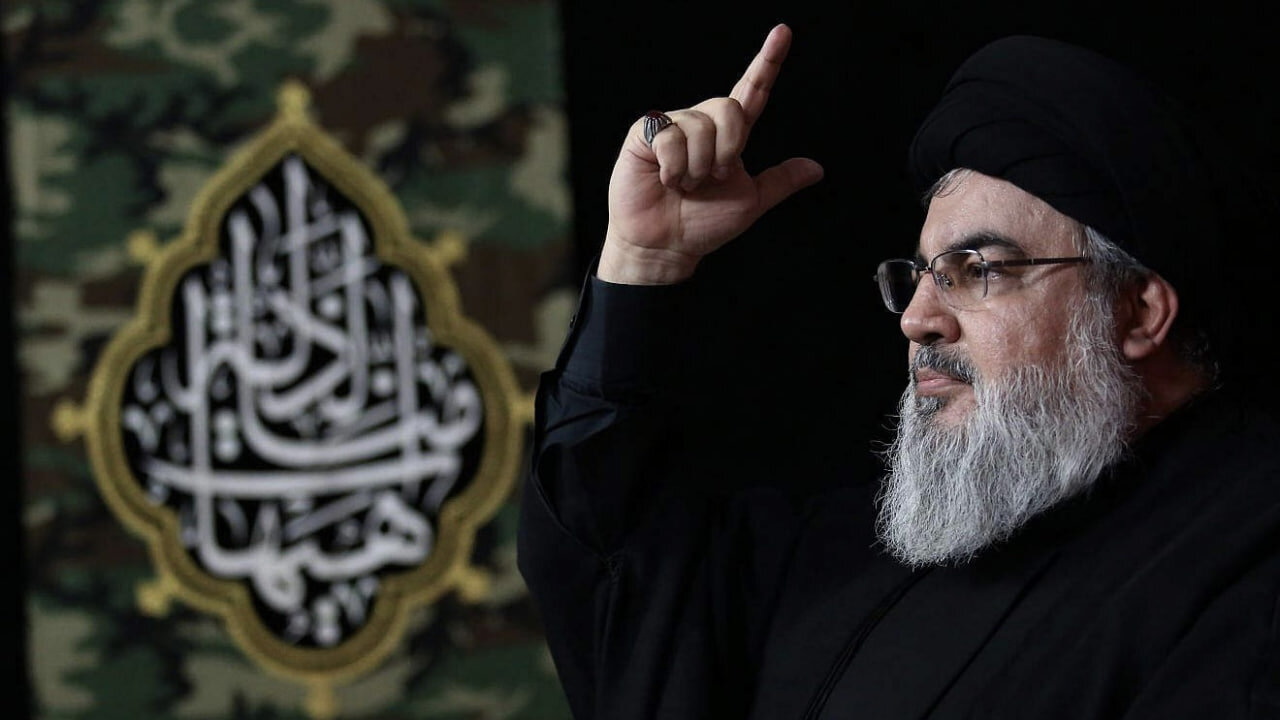
BEIRUT — Two years have passed since the knight that for decades confronted occupation, hegemony and political intimidation returned to his original realm. Two years since a man who had become, for his followers, a political leader, a religious reference and a symbol of defiance was taken from the visible world.
Sayyed Hassan Nasrallah’s martyrdom was confirmed on September 28, 2024. But some demises do not close a life; they open an era. They do not mark the end of a journey, but the moment when a legacy passes from one generation to the next.
Sayyed Nasrallah’s martyrdom has not extinguished the voice he built nor erased the path he charted. It transformed his presence from that of a living leader into an enduring legacy carried by those who inherited his words, his vision, and the struggle he represented.
Frankly, Sayyed Nasrallah’s martyrdom was not simply the absence of a leader. It was the sudden orphaning of a generation. Yet the tradition from which he drew his own language had taught another meaning of orphanhood: that an orphan does not have to remain broken. He can become a leader precisely because he has learned to carry loss without surrendering to it. That is the life of his grandfather Prophet Mohammad (PBUH).
Two years have passed, yet we still remember the cadence of Sayyed Nasrallah’s Arabic, the deliberate pauses, the quiet confidence before his decisive stances.
His speeches have been more than political addresses. They are a grammar of resistance: Palestine, sovereignty, dignity, sacrifice, confrontation with occupation, and refusal to accept that history must forever be written by the powerful.
Even his adversaries acknowledged the reach of his rhetoric. Reuters described him as a skilled orator whose speeches were followed by friends and enemies alike.
Sayyed Nasrallah did not cultivate leadership as a private possession; leadership was a burden before it was an honour, and responsibility before it was authority. That is why the attempt to reduce his legacy to the moment of his cowardly assassination cannot contain it.
The Israeli strike could destroy a headquarters. It could end the life of a leader. It could redraw a military map. But no missile can determine what a generation will remember, what it will perpetuate, or what meaning it will extract from its martyred leader. This is where the battle over memory begins.
Sayyed Nasrallah’s legacy belongs to a Hussaini tradition in which leaders are not measured by the length of their lives, but by the political and moral questions they leave behind.
His name has become inseparable from Palestine, from the language of resistance, and from a regional struggle that expanded far beyond Lebanon.
At the personal level, I remember myself as a young girl reaching the age of religious responsibility and receiving my Hijab at a ceremony where Sayyed Nasrallah stood among us not as a military commander—despite his well-known description of Israel as “weaker than a spider’s web”—but as a compassionate father figure and an illuminating teacher, meeting us with warmth, dignity, and tenderness.
Today, as a woman working through the battlefield of media and words, I read that memory differently: as a reminder that political struggle is not confined to weapons or front lines. It also takes place in language, education, culture, identity and the formation of consciousness. This is why remembrance cannot become nostalgia.
Hence, the real question after a leader’s demise is not whether his followers can continue repeating his name. It is whether they can carry the responsibilities that his name came to represent: No revenge can be more meaningful than refusing to become what Sayyed Nasrallah opposes.
The answer is therefore not vengeance for vengeance’s sake, but the preservation of Palestine as a living cause; the defence of the oppressed; the refusal of occupation as a permanent political fact; and the insistence that sacrifice must produce consciousness rather than despair.
Two years have passed, yet Sayyed Nasrallah’s presence among us only grows stronger and more luminous. His words continue to take deeper root in our hearts, our consciousness, and our collective memory
"This road, we will complete,” he said, not because one man can command history from beyond the grave, but because every generation eventually faces the same question: What will you do with what was entrusted to you?
Leave a Comment